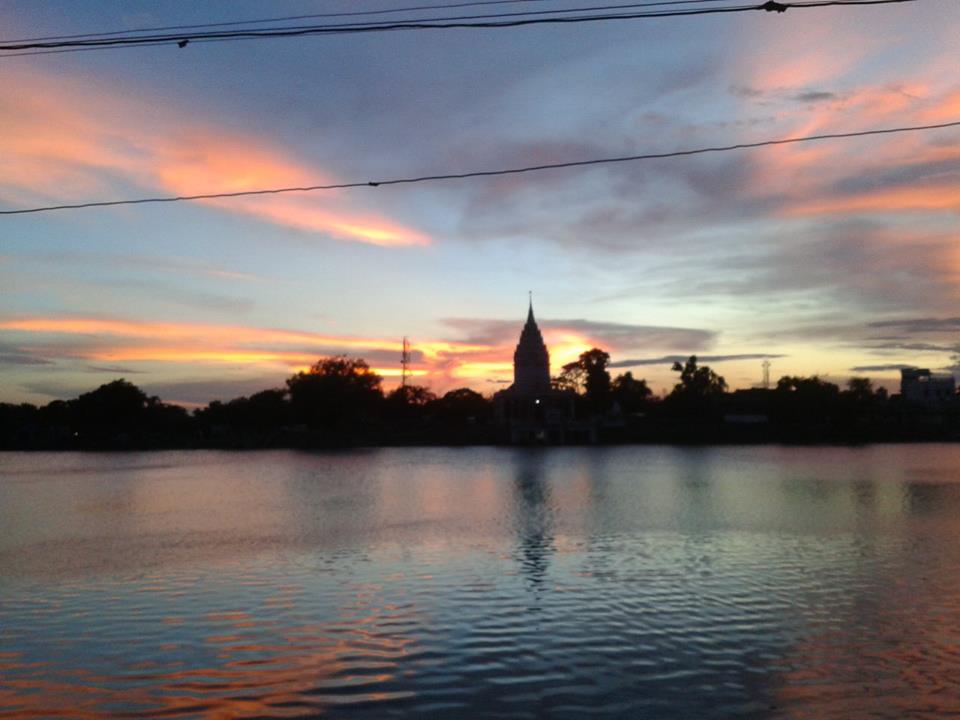
Overview
Bettiah is a city and municipal council in the West Champaran district of the Indian state of Bihar. It serves as the administrative headquarters of the district and lies in the northwestern part of Bihar, in the Tirhut Division, close to the Indo-Nepal border. The town is one of the older urban settlements in north Bihar and has historical associations with the Bettiah Raj, a prominent zamindari estate, and with the early phase of Mahatma Gandhi's involvement in Indian nationalist politics through the Champaran Satyagraha.
Key facts
| Name | Bettiah |
|---|---|
| Type | City and municipal council |
| District | West Champaran |
| Division | Tirhut |
| State | Bihar |
| Country | India |
| Region | Champaran, north-western Bihar |
| Languages | Hindi, Bhojpuri, Urdu |
Geography
Bettiah lies in the Gangetic plains of north Bihar, in a low-lying alluvial tract drained by tributaries of the Gandak river system. The terrain is generally flat and agricultural, with sugarcane, paddy and wheat being important crops in the surrounding countryside. The town is situated relatively close to the foothills of the Himalayas in Nepal, and parts of West Champaran district adjoin the Valmiki Tiger Reserve to the north.
History
Bettiah Raj
The town's identity is closely linked to the Bettiah Raj, a large zamindari estate that emerged in the medieval period and grew into one of the most extensive landholdings in Bihar under the late Mughal and British administrations. The Raj's seat was at Bettiah, and its rulers patronised local temples, religious institutions and Christian missions. After the death of the last Maharaja without a direct heir, the estate came under the Court of Wards.
Christian mission
Bettiah became the site of one of the earliest Roman Catholic missions in north India. The Capuchin mission, established in the eighteenth century with the support of the local rulers, gave rise to the "Bettiah Christians", a small but historically significant Catholic community whose presence has continued for several generations.
Champaran Satyagraha
Bettiah is associated with the Champaran Satyagraha of 1917, Mahatma Gandhi's first major civil resistance movement in India, launched on behalf of indigo cultivators (ryots) who were subjected to the oppressive tinkathia system by European planters. Gandhi visited Bettiah and other parts of Champaran during his investigation, and the movement is widely regarded as a turning point in the Indian freedom struggle.
Civic administration
Local governance in the town is exercised through the Bettiah Municipal Council (Nagar Parishad), which is responsible for civic services such as sanitation, water supply, roads and street lighting. As the district headquarters of West Champaran, Bettiah hosts offices of the District Magistrate, the district court, the police superintendent and various line departments of the Bihar government.
Transport
Bettiah is connected to other parts of Bihar by road and rail. It lies on a branch of the East Central Railway, with Bettiah railway station providing connections towards Narkatiaganj, Muzaffarpur and other regional centres. State and national highways link the town to Motihari, Muzaffarpur and the Indo-Nepal border crossings, while the nearest major airport is at Patna.
Economy
The local economy is largely agrarian, with sugarcane cultivation supporting a sugar industry in West Champaran and adjoining districts. Trade in agricultural produce, retail commerce and small-scale manufacturing form the basis of the town's economy, alongside government employment associated with its role as a district headquarters.
Education
Bettiah hosts a number of schools, colleges and a government medical college that serves western Champaran and adjoining districts. Several of its institutions are affiliated to universities of Bihar and offer undergraduate and postgraduate courses in arts, science, commerce and professional disciplines.
Culture
The cultural life of Bettiah reflects the broader Bhojpuri-speaking belt, with festivals such as Chhath, Holi, Durga Puja, Eid and Christmas being widely observed. The historic Bettiah Christian community contributes to the religious diversity of the town, and old churches, temples and remnants associated with the Bettiah Raj form part of its built heritage.
Comments
0 comments
No comments yet.