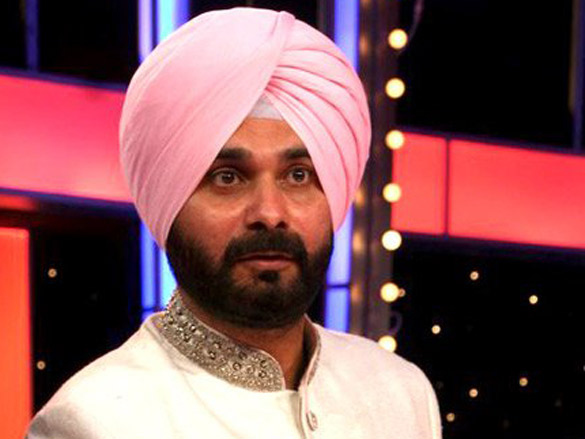
Navjot Singh Sidhu is an Indian former cricketer, politician, and television personality. He represented India in Test and One Day International cricket between 1983 and 1999 as a top-order batsman, and later transitioned into careers in cricket commentary, television entertainment, and electoral politics. He has served as a Member of Parliament in the Lok Sabha and as a Member of the Legislative Assembly in Punjab, holding ministerial office in the state government.
Key facts
| Full name | Navjot Singh Sidhu |
|---|---|
| Born | 20 October 1963, Patiala, Punjab, India |
| Father | Bhagwant Singh Sidhu |
| Spouse | Navjot Kaur Sidhu |
| Education | Yadavindra Public School, Patiala; Mohindra College, Patiala |
| Batting style | Right-handed |
| Test debut | 1983 vs West Indies |
| ODI debut | 1987 |
| Domestic team | Punjab |
| Political parties | Bharatiya Janata Party (until 2016); Indian National Congress (from 2017) |
| Notable office | MP, Lok Sabha (Amritsar); MLA, Amritsar East; Cabinet Minister, Government of Punjab |
Background
Sidhu was born into a Jat Sikh family in Patiala. His father, Bhagwant Singh Sidhu, was a cricketer who encouraged his early interest in the sport. He was educated at Yadavindra Public School in Patiala and later attended Mohindra College. He came up through Punjab's domestic cricket structure before earning national selection.
Cricket career
Sidhu made his Test debut against the West Indies in 1983. After a difficult start, he re-emerged as a leading batsman during the 1987 Cricket World Cup, where his aggressive stroke-play, particularly against spin, earned him recognition. He went on to play 51 Test matches and 136 One Day Internationals for India.
He scored centuries in Test cricket on tours of Pakistan, Sri Lanka, the West Indies, and England, and was known for his ability to hit sixes against spinners, which earned him the nickname "Sixer Sidhu". He retired from international cricket in 1999.
Broadcasting and television
After retirement, Sidhu became one of the most recognisable cricket commentators in India, working with broadcasters including ESPN Star Sports and Ten Sports. His commentary, marked by colourful aphorisms popularly called "Sidhuisms", made him a household name beyond the sport.
He was a long-running judge on the comedy television programme The Kapil Sharma Show on Sony Entertainment Television, and earlier on Comedy Nights with Kapil, before stepping away from the show in 2018.
Political career
Sidhu joined the Bharatiya Janata Party (BJP) and was elected to the Lok Sabha from the Amritsar constituency in 2004. He retained the seat in subsequent elections during his tenure with the party. In 2016, he was nominated to the Rajya Sabha but resigned shortly afterwards.
In 2017, he joined the Indian National Congress and was elected to the Punjab Legislative Assembly from Amritsar East. He served as a Cabinet Minister in the Punjab government led by Captain Amarinder Singh, holding portfolios including Local Government, Tourism, and Cultural Affairs, before resigning from the cabinet in 2019.
In July 2021, he was appointed President of the Punjab Pradesh Congress Committee, a position from which he later resigned. He contested the 2022 Punjab Legislative Assembly election from Amritsar East but was defeated.
Legal proceedings
Sidhu was involved in a long-running case arising from a 1988 road-rage incident in Patiala. After several rounds of appeals through the trial court, the Punjab and Haryana High Court, and the Supreme Court of India, the Supreme Court in May 2022 sentenced him to one year of rigorous imprisonment in connection with the case. He served the sentence at Patiala Central Jail and was released in 2023.
Significance
Sidhu is one of relatively few Indian sportspersons to achieve sustained prominence across three distinct fields—international cricket, mainstream entertainment television, and electoral politics. His career trajectory illustrates the close interplay between celebrity, media, and political mobilisation in contemporary India, particularly in Punjab.
Comments
0 comments
No comments yet.