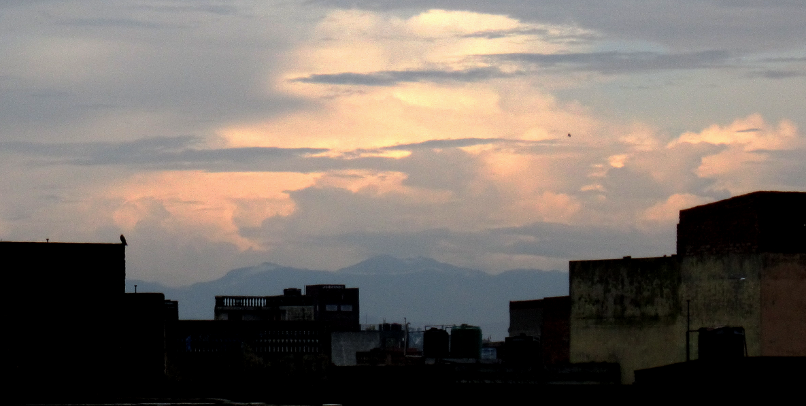
Saharanpur is a city and the administrative headquarters of Saharanpur district in the northern part of the Indian state of Uttar Pradesh. Located in the upper Doab region between the Ganges and Yamuna rivers, the city lies close to the borders of Haryana, Uttarakhand and Himachal Pradesh, and serves as an important commercial, educational and transport hub of western Uttar Pradesh.
Key facts
| Country | India |
|---|---|
| State | Uttar Pradesh |
| Region | Doab, western Uttar Pradesh |
| District | Saharanpur |
| Division | Saharanpur division |
| Languages | Hindi, Urdu |
| Known for | Wood carving, paper and pulp industry, Botanical Garden |
Etymology and origins
The city is traditionally said to be named after the Sufi saint Shah Haroon Chishti, whose shrine is located in the old part of the town. Local tradition links the founding of the settlement to the medieval period, with the name evolving into its present form over time.
Geography
Saharanpur lies on the alluvial plains of the upper Doab, watered by tributaries of the Yamuna. The Shivalik foothills of the Himalayas rise to the north of the city, and the area is part of the broader agricultural belt of western Uttar Pradesh. The climate is humid subtropical, with hot summers, a monsoon season from June to September, and cool winters.
History
The region around Saharanpur came under the rule of the Delhi Sultanate and later the Mughal Empire. During the eighteenth century, control of the area shifted between the Mughals, the Rohillas and the Marathas, before passing to the British East India Company in the early nineteenth century. Under British administration, Saharanpur became the headquarters of a district in the North-Western Provinces, and later the United Provinces.
The Saharanpur Botanical Garden, established in the early colonial period, became one of the most prominent botanical gardens in northern India and was associated with the introduction and study of new plant species, including economically important crops.
Economy
Saharanpur is widely known for its wood-carving industry, particularly products made of sheesham (Indian rosewood), which are exported to several countries. Other notable economic activities include:
- Paper and pulp manufacturing, including a long-established integrated paper mill in the region.
- Sugar production, supported by extensive sugarcane cultivation in the surrounding district.
- Trade in agricultural produce, particularly mangoes, sugarcane and grains.
- Cotton textiles, brassware and handicrafts.
Transport
Saharanpur is a major railway junction on the Northern Railway zone, with lines connecting it to Delhi, Ambala, Dehradun, Roorkee, Haridwar and Moradabad. The city is served by national and state highways linking it to neighbouring districts and to the states of Haryana and Uttarakhand. The nearest major airports are at Dehradun and Delhi.
Education
The city hosts a range of educational institutions, including degree colleges affiliated with universities in Uttar Pradesh, technical and medical institutes, and reputed schools such as St. Mary's Academy, Saharanpur. Saharanpur is also home to the historic Mazahir Uloom, an Islamic seminary founded in the nineteenth century.
Civic administration
The municipal affairs of the city are managed by the Saharanpur Nagar Nigam (Municipal Corporation). The district is part of the Saharanpur division, which also includes the districts of Muzaffarnagar and Shamli.
Culture
Saharanpur has a composite cultural heritage shaped by Hindu, Muslim and Sikh communities. The city's wood-carved furniture and decorative items are recognised as a Geographical Indication, reflecting their distinctive craftsmanship. Local cuisine, festivals and bazaars reflect the broader cultural traditions of western Uttar Pradesh.
Related topics
- Saharanpur district
- Uttar Pradesh
- Doab
- St. Mary's Academy, Saharanpur
- Mazahir Uloom
- Saharanpur Botanical Garden
- Wood carving in India
References
- Wikidata entity: Q242895
- Government of Uttar Pradesh, official district portal for Saharanpur.
- Census of India, district handbooks for Saharanpur.
Comments
0 comments
No comments yet.